
Harley Street Aesthetics
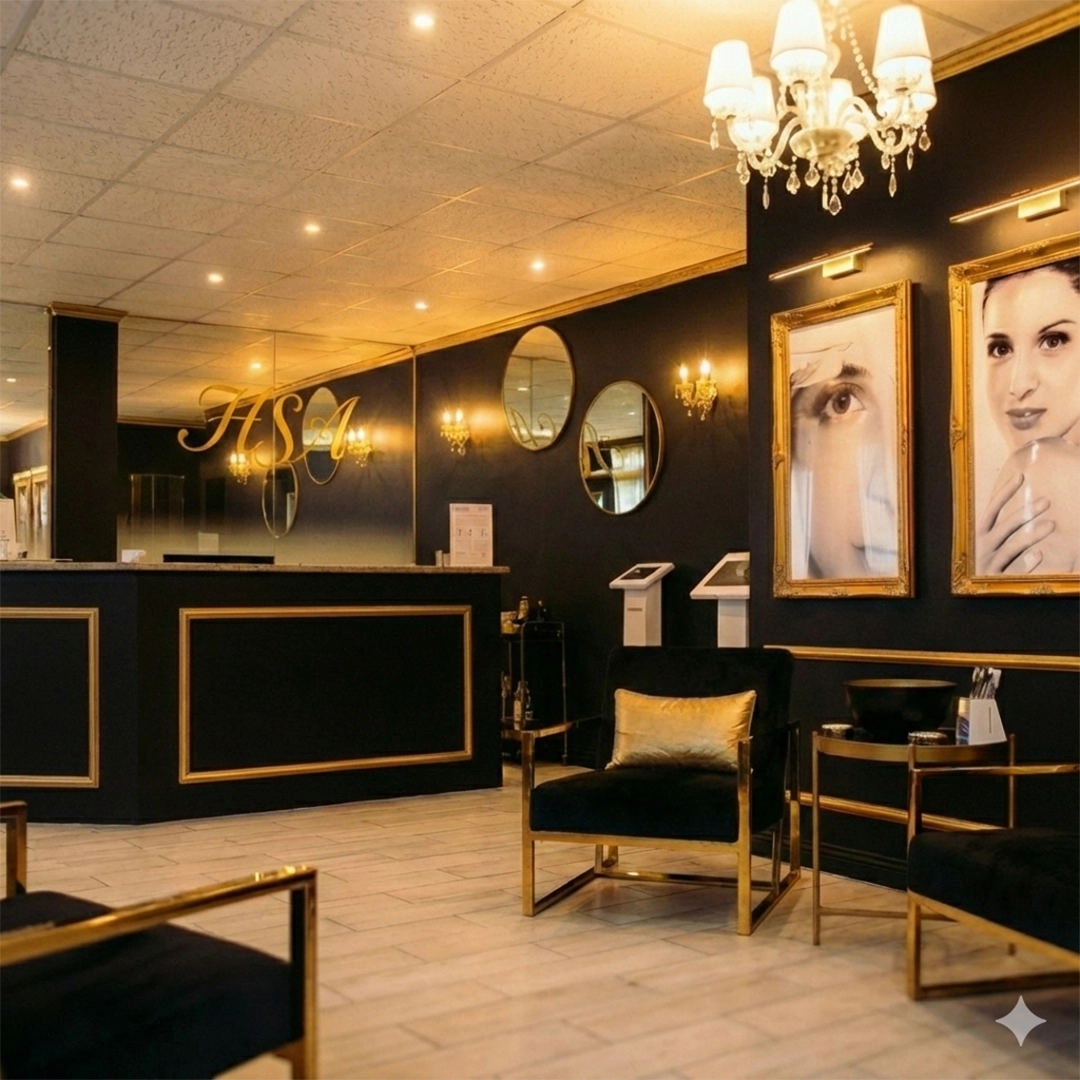
Interior of the Harley Street Aesthetics clinic, where IPL facial consultations and treatments take place
Intense Pulsed Light Photofacial

Clinician-Led IPL Facial in Glasgow

An IPL facial is a non-invasive skin treatment that uses intense pulsed light, broad-spectrum flashes of filtered light rather than a single-wavelength laser, to reduce facial redness, thread veins and sun-induced brown spots. The light is absorbed by blood vessels and pigment, which fade over the following weeks. At 5th Floor, Ingram House, 227 Ingram Street, Glasgow G1 1DA, every IPL facial is planned and delivered by a clinician after a skin assessment.

3–5
Sessions typically advised
4 weeks
Between sessions
7–10 days
For darkened spots to flake
I–IV
Fitzpatrick skin types suited
IPL Skin Rejuvenation

Targeted light for redness, thread veins and sun damage

An IPL facial treats two of the most common signs of skin ageing and sensitivity at the same time: red discolouration from dilated blood vessels, and brown discolouration from sun exposure. Filters on the handpiece select the range of wavelengths best suited to your concern, and a cooling gel and protective eyewear are used throughout. A full-face session usually takes around 30 minutes.

IPL is a course-based treatment. Results build gradually over 3–5 sessions spaced about four weeks apart, and long-term maintenance depends on sun protection and, for rosacea, managing your triggers. It is suited to lighter, untanned skin. If your skin is darker or you have recently tanned, we will recommend a safer alternative at your consultation.

  • Reduces persistent facial redness and flushing associated with rosacea
  • Fades thread veins and broken capillaries around the nose and cheeks
  • Lightens sun spots, freckling and blotchy pigmentation
  • Treats red and brown discolouration in the same session
  • Short recovery, with most people returning to normal activities the same day
  • Planned and delivered by a clinician after a full skin assessment
Interior of the Harley Street Aesthetics clinic, where IPL facial consultations and treatments take place

Clinician-led at 5th Floor, Ingram House, 227 Ingram Street, Glasgow G1 1DA.

What does an IPL facial do?

An IPL facial reduces visible redness, thread veins and sun-induced brown spots by delivering filtered flashes of broad-spectrum light to the skin. The light passes through the surface and is absorbed by two targets: haemoglobin in small, dilated blood vessels and melanin in pigmented spots. As they absorb the energy they heat up. The vessels are sealed and gradually cleared by the body, while the pigment rises to the surface and flakes away.

Because an IPL facial treats red and brown discolouration in the same session, it is often called a photofacial or IPL skin rejuvenation. The overall effect is a clearer, more even complexion rather than a change in facial structure. IPL can also give a modest improvement in texture, but it is not a primary treatment for deep lines or skin laxity. Most people need a course of 3–5 sessions around four weeks apart, with results building gradually.


Does IPL work for rosacea and thread veins?

IPL can reduce the persistent redness and visible thread veins of rosacea, but it manages rosacea rather than curing it. Rosacea is a long-term condition that fluctuates, and the British Association of Dermatologists notes that redness and dilated blood vessels can be treated with laser or light therapy. A 2024 meta-analysis found that IPL and pulsed dye laser produced comparable reductions in rosacea redness, although IPL was reported as more uncomfortable.

For thread veins and broken capillaries on the face, typically around the nose and cheeks, IPL targets the haemoglobin inside each vessel so it fades over the following weeks. Diffuse redness and fine vessels tend to respond well; larger or deeper vessels may need more sessions. New vessels can form over time, particularly if triggers such as heat, alcohol and sun continue, so many people with rosacea book a maintenance session once or twice a year.

IPL vs laser: what is the difference?

The main difference between IPL and laser is the light itself: IPL uses a broad spectrum of filtered wavelengths, while a laser emits one concentrated wavelength. That makes an IPL facial versatile, because a single treatment can address redness and brown spots together, whereas a laser is tuned to one target and can be adjusted more precisely for depth and skin type.

In practice, IPL is generally gentler per session and usually needs a course, while a laser may achieve a specific result in fewer sessions. The key limitation of IPL is skin tone. Because it also targets melanin in the surrounding skin, it is only suitable for lighter, untanned skin. For darker skin types, or for pores and oiliness, a 1064 nm laser such as our Carbon Laser Facial is often the safer choice. The table below summarises how the two compare.

IPL facial compared with a 1064 nm laser facial
IPL FacialCarbon Laser Facial (1064 nm)
Light sourceBroad-spectrum filtered light (not a laser)Single-wavelength laser
Best forRedness, rosacea, thread veins, sun spotsEnlarged pores, oiliness, dullness, texture
Skin typesFitzpatrick I–IV, untannedWider range, including darker skin
Typical course3–5 sessions, about 4 weeks apartSeveral sessions, 2–4 weeks apart
RecoveryRedness for hours; spots darken and flake over 7–10 daysMild redness for a few hours
Price at our clinic£295 per session£295 per session

Can IPL fade sun damage and pigmentation?

An IPL facial can fade many forms of sun damage on the face, including brown spots, freckling and blotchy, uneven tone. Treated spots usually darken within a day or two, looking a little like coffee grounds, then flake away over roughly 7–10 days, leaving a more even complexion as the course progresses.

IPL works best on well-defined, sun-induced pigment on lighter skin, and it is not the right treatment for every kind of pigmentation. Melasma, the hormonally driven patchy pigmentation often seen on the cheeks and upper lip, can be worsened by heat and light, so we usually recommend a dedicated depigmentation approach such as the Cosmelan Peel instead. Your clinician will examine every brown mark before treatment, and any spot that is new, changing or irregular will be referred for a medical opinion first. Daily broad-spectrum SPF 30 or higher is essential to maintain results.

Is IPL safe for darker skin?

IPL is not suitable for darker skin types (Fitzpatrick V–VI) or for any skin that is currently tanned. Because IPL targets melanin, skin with more natural or tanned pigment absorbs too much of the light, which raises the risk of burns, blistering and lasting light or dark patches. Some people with Fitzpatrick type IV skin can be treated cautiously with conservative settings after a patch test, but that is a clinical decision made at consultation.

You should avoid sun exposure, sunbeds and self-tan for at least four weeks before treatment, and tell us about any medicines or supplements you take, as some make the skin more sensitive to light. If IPL is not right for your skin, there are effective alternatives. The Carbon Laser Facial uses a 1064 nm wavelength that is safer across a wider range of skin tones, and chemical peels can address pigmentation without light-based heat.

IPL Facial Prices in Glasgow

Price is per session. Most concerns need a course of 3–5 sessions, which your clinician will confirm at consultation. A consultation and skin assessment are required before your first treatment.

  • IPL Facial
    Single session
    £295

Suitability is confirmed at consultation. See all treatment prices or 0% finance.

Are You a Good Candidate?

IPL Facial is not suitable for everyone. During your consultation, our GMC-registered specialists will assess your suitability based on your medical history, skin condition, and aesthetic goals.

Fitzpatrick skin types I–IV with no current tan
Persistent facial redness or flushing from rosacea
Thread veins or broken capillaries on the nose and cheeks
Sun spots, freckling or blotchy, uneven tone from sun exposure
Able to avoid the sun and use SPF 30 or higher every day
Darker skin types (Fitzpatrick V–VI)
Sun exposure, sunbed use or self-tan in the last four weeks
Photosensitising medicines or supplements, or isotretinoin in the last 6 months
Pregnancy or breastfeeding
Melasma, active infection, cold sores or broken skin in the area
Light-triggered epilepsy or a history of keloid scarring

Risks & Side Effects

All medical procedures carry some degree of risk. At Harley Street Aesthetics, our Consultant-led approach minimises complications. We believe in full transparency so you can make an informed decision.

Redness and swelling

Common

Skin often looks pink and feels warm, similar to mild sunburn, for a few hours to a day or two after treatment.

Darkening of treated spots

Common

Brown spots usually darken and form a fine crust before flaking away over roughly 7–10 days. This is an expected part of the response.

Bruising over treated vessels

Uncommon

Small purple marks can appear where thread veins were treated, typically settling within one to two weeks.

Temporary rosacea flare or blistering

Uncommon

Heat can briefly aggravate rosacea, and small blisters or crusts can occasionally form. Your clinician adjusts settings to reduce this risk.

Burns or lasting pigment change

Rare

Burns, lighter or darker patches and, very rarely, scarring can occur, with risk higher in tanned or darker skin. Careful skin typing and test pulses help minimise this.

Eye injury

Rare

Intense light can damage the eyes, which is why protective eyewear is worn throughout and treatment is kept away from the eye area.

Recovery Timeline

Recovery varies between individuals. Below is a general guide — your consultant will provide personalised aftercare instructions during your appointment.

Treatment day

Warmth and redness

Skin may feel warm and look flushed for a few hours. Apply a cool compress if needed, avoid heat, exercise and alcohol, and use gentle skincare only.

Days 1–3

Spots darken

Treated brown spots usually darken and redness settles. Mineral make-up can typically be worn after 24 hours. Do not scrub, pick or exfoliate.

Days 4–10

Flaking and fading

Darkened spots flake away naturally and treated vessels begin to fade. Use SPF 30 or higher daily and keep skin well moisturised.

Weeks 2–4

Review and next session

Results continue to develop. Your next session is usually booked around four weeks later, once the skin has fully settled.

Important Medical Information

All ipl facial treatments at Harley Street Aesthetics are performed exclusively by GMC-registered Consultant Dermatologists and Plastic Surgeons. Our practitioners hold FRCS, MRCP, and equivalent specialist qualifications.

Individual results may vary. The information provided on this page is for educational purposes and does not constitute medical advice. A full medical consultation is required before any treatment to assess your suitability, discuss risks, and set realistic expectations.

All before-and-after images shown are of real patients who have given consent for their images to be used. Results depicted are individual outcomes and are not guaranteed.

IPL does not cure rosacea, and new thread veins and sun spots can develop over time. Results vary between individuals and depend on skin type, the concern treated and sun protection afterwards.

Harley Street Aesthetics — 10 Harley Street, London W1G 9PF · 5th Floor, Ingram House, 227 Ingram Street, Glasgow G1 1DA

IPL Facial FAQs

What does an IPL facial do?

An IPL facial uses filtered, broad-spectrum light to reduce redness, thread veins and sun-induced brown spots. The light is absorbed by blood vessels and pigment, which then fade or flake away over the following weeks. The result is a clearer, more even complexion. It is best suited to lighter, untanned skin and is usually delivered as a course of 3–5 sessions.

Is an IPL facial worth the money?

An IPL facial is usually worth it if your main concerns are redness, thread veins or sun spots on lighter skin, because it treats these red and brown discolourations together. It is less worthwhile for wrinkles, laxity or melasma, where other treatments perform better. At £295 per session, with most people needing 3–5 sessions, your clinician will confirm at consultation whether IPL is the right investment for your skin.

What are the downsides of IPL?

The main downsides of IPL are that it needs a course of treatments, it is not suitable for darker or tanned skin, and results need maintaining. Temporary redness, swelling and darkened spots that flake over 7–10 days are common. Bruising, blistering and pigment change are less common, and strict sun protection is essential before and after treatment.

Does IPL work on older skin?

Yes, IPL can work well on older skin, because accumulated sun spots, uneven tone and broken capillaries are exactly what it targets. Age itself is not a barrier, although your clinician will check any pigmented mark carefully before treatment. IPL gives only a modest improvement in texture and does not tighten skin, so it is often combined with collagen-stimulating treatments such as radiofrequency microneedling for lines and laxity.

Can one IPL session make a difference?

One IPL session can make a visible difference, particularly to isolated sun spots, which often darken and flake away within 7–10 days. Redness, rosacea and thread veins usually need more than one session to reduce meaningfully, and most people are advised to have 3–5 sessions about four weeks apart. Results vary depending on your skin and the concern being treated.

Does IPL work for rosacea and how long does it last?

IPL can reduce the redness and visible blood vessels of rosacea, but it manages the condition rather than curing it. Once a course is complete, improvement often lasts many months, although how long varies with your skin and triggers. Because rosacea is long-term, new redness and vessels can return, so many people have a maintenance session once or twice a year alongside daily SPF and trigger management.

Is IPL better than laser?

IPL is not better or worse than laser; it suits different skin and concerns. IPL uses broad-spectrum light to treat redness and brown spots together on lighter skin, while a laser uses a single wavelength for more targeted treatment and, at 1064 nm, suits a wider range of skin tones. Your clinician will recommend the option that fits your skin type and goals.

Which is better, IPL or microneedling?

IPL and microneedling treat different problems, so neither is better overall. IPL targets colour, meaning redness, thread veins and sun spots, while microneedling targets texture, fine lines, acne scarring and firmness by stimulating collagen. If you have both concerns, the two can be combined in a treatment plan, usually spaced a few weeks apart so the skin can recover in between.

How much does an IPL facial cost in Glasgow?

An IPL facial at Harley Street Aesthetics in Glasgow costs £295 per session. Most people need a course of 3–5 sessions around four weeks apart, depending on the concern and how the skin responds. A consultation and skin assessment are required first, so your clinician can confirm IPL is suitable and give you a clear, personalised plan before you commit.

Does an IPL facial hurt?

An IPL facial is usually described as uncomfortable rather than painful, with each flash feeling like a warm snap of an elastic band against the skin. Cooling gel is applied and settings are adjusted to your tolerance. Areas with more redness or pigment can feel more intense, and skin may feel warm, like mild sunburn, for a few hours afterwards.

Find out if an IPL facial is right for your skin

Book a consultation at 5th Floor, Ingram House, 227 Ingram Street, Glasgow G1 1DA. Your clinician will assess your skin type and concerns, confirm whether IPL is suitable, and recommend a safe, personalised treatment plan.

Book Your Consultation
Flexible Payments

Invest in Yourself

Achieving your aesthetic goals shouldn't be a financial burden. We offer a range of seamless payment options tailored to your lifestyle.

Klarna

Pay in 3

Spread the cost of your treatment over 3 interest-free instalments. No fees, no interest.

0% Interest

Available at Checkout
Clearpay

Pay in 4

Shop now and pay over 6 weeks. 4 equal payments, due every 2 weeks.

Always Interest Free

Available at Checkout
Ideal 4 Finance

Medical Loans

Ideal for purchases over £1,000. Interest-free finance available for up to 12 months. Fast decisions.

Apply in Minutes

Apply Now
Google
EXCELLENT

Trusted by Patients

Real experiences from our clinics in London & Glasgow. Verified independent reviews.

"The best clinic in London! My dermal filler results are so natural, nobody knows I've had anything done—they just tell me I look rested."

S

Sarah Jenkins

2 days agoDermal Fillers
G

"Endolift results are insane. I honestly look 10 years younger. The team explained everything perfectly and made me feel so comfortable throughout the process."

J

James Peterson

1 week agoEndolift
G

"Professional, clean, and luxury service. The Glasgow clinic is stunning. Virtue RF changed my skin texture completely after just two sessions."

S

Sophia Liu

3 weeks agoVirtue RF Microneedling
G

"I was nervous about thread lifts, but Dr. Vincent was incredible. The PLACL threads gave me an immediate lift without looking 'pulled'. Highly recommend."

D

David Mitchell

1 month agoPLACL Threads
G

"Finally found a clinic that prioritizes safety and elegance. The consultation was thorough and honest. I wouldn't trust anyone else with my face."

O

Olivia K.

2 months agoFull Face Rejuvenation
G

High Demand: Our team replies under 1 minute

Secure Your
Free Consultation

Take the first step towards your transformation. It takes less than 30 seconds to request a call back from our specialists.

  • Priority Booking Access
  • Direct Specialist Assessment
  • No Obligation Discussion

Glasgow Clinic

5th Floor, Ingram House
227 Ingram Street, Glasgow G1 1DA

Your Cart

Your cart is empty

Looks like you haven't added anything yet.