
Harley Street Aesthetics
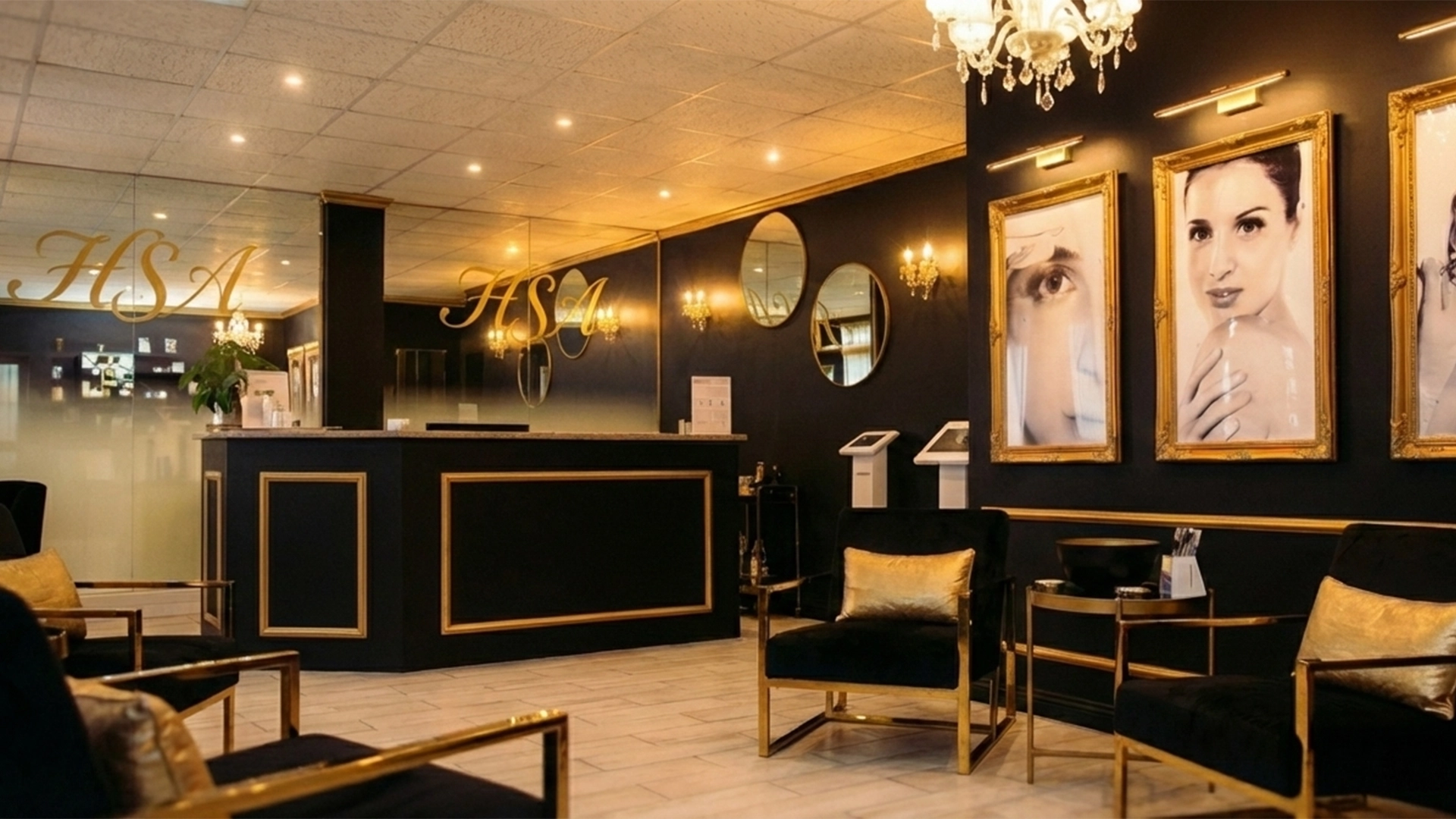
Reception area at Harley Street Aesthetics, where chemical peel consultations begin
Medical-grade skin resurfacing

Chemical Peels in London

A chemical peel is a clinical skin treatment in which a measured acid solution is applied to the face to remove damaged surface cells, so the skin renews itself with a smoother, more even surface. At Harley Street Aesthetics in London, a clinician assesses your skin and selects a superficial or medium-depth medical-grade peel to help with pigmentation, acne, dullness and fine lines.

£149
Per session
30–45
Minutes in clinic
2–4
Weeks between course peels
0–7
Days of typical downtime
Clinician-led chemical peels

A peel chosen for your skin, not picked from a menu

Chemical peels are one of the most established ways to improve skin tone and texture, but the result depends on choosing the right acid, strength and depth for the person in the chair. At our London clinic, every chemical peel begins with a clinician assessment of your skin type, concerns, medical history and lifestyle, so the peel suits your skin rather than a price list.

We use medical-grade peels ranging from gentle lactic and mandelic acids to glycolic, salicylic, Jessner and TCA-based formulations, applied at superficial to medium depth. If your skin is darker or prone to pigmentation, your clinician will plan a skin-type-safe approach, which may include a short preparation phase and a gentler acid. Pricing is transparent and agreed before treatment.

  • Clinician assessment and peel selection at every visit
  • Superficial to medium-depth medical-grade peels
  • Skin-type-safe planning for darker and pigmentation-prone skin
  • Can help pigmentation, acne, congestion, dullness and fine lines
  • Clear aftercare and sun-protection guidance
  • Transparent pricing: £149 per peel or £399 for a course of three
Reception area at Harley Street Aesthetics, where chemical peel consultations begin

Clinician-led at 10 Harley Street, Marylebone, London W1G 9PF.

What is a chemical peel and how deep does it go?

A chemical peel is a treatment in which a clinician applies a measured acid solution to the skin to loosen and remove damaged surface cells, so that fresher, more even skin can replace them. Chemical peels are classified by how deeply they work. Superficial peels act on the epidermis, the outermost layer of skin, and suit regular use with little downtime. Medium-depth peels reach the upper dermis and can address more established pigmentation, sun damage and shallow scarring, usually with around a week of visible peeling. Deep peels use phenol, require hospital-level monitoring and are not offered at our clinic.

At Harley Street Aesthetics, chemical peels range from superficial to medium depth. Your clinician chooses the acid, strength and number of layers at consultation, based on your skin type, your concerns and how much downtime you can accommodate. Stronger is not always better: the right chemical peel is the one your skin can tolerate safely.


Glycolic, salicylic, Jessner or TCA peel: which chemical peel suits you?

The best chemical peel depends on your skin concern and skin type rather than on the strongest acid available. A glycolic peel uses an alpha hydroxy acid to refresh dull, uneven skin and soften fine lines. A salicylic peel is oil-soluble, so it works inside the pores and suits oily and acne-prone skin. Lactic and mandelic peels are gentler options for dry, sensitive or darker skin. A Jessner peel combines several acids and becomes deeper with each layer applied, while a TCA peel is used for sun damage, pigmentation and shallow scarring at superficial or medium depth.

Your clinician may combine or alternate acids across a course to build results gradually. The comparison below shows typical depth and downtime for each chemical peel type. Your own response will depend on your skin, the strength used and how well your skin has been prepared beforehand.

Common chemical peel types compared (typical ranges; your clinician selects the peel at consultation)
Peel typeDepthOften chosen forTypical downtime
Lactic acid (AHA)Very superficialDry or sensitive skin, dullness, first-time peelsMinimal; mild redness for a few hours
Mandelic acid (AHA)SuperficialAcne-prone, sensitive or darker skin; uneven toneMinimal; light flaking for a few days
Glycolic acid (AHA)SuperficialDullness, rough texture, fine lines, mild pigmentation1–2 days of redness; light flaking possible
Salicylic acid (BHA)SuperficialOily skin, blackheads, congestion, active acne1–3 days of dryness and flaking
Jessner solutionSuperficial (deepens with layers)Pigmentation, acne, post-acne marks, texture3–5 days of visible peeling
TCA-based peelSuperficial to mediumSun damage, pigmentation, fine lines, shallow acne scarringSeveral days (superficial) to about a week (medium); redness may last longer

Can a chemical peel help with pigmentation, including on darker skin?

A chemical peel can help fade many types of pigmentation, including sun spots, uneven tone and dark marks left after acne, by speeding up the shedding of pigmented surface cells. Melasma can also improve, but it is a long-term condition that is managed rather than cured, and it can return with sun exposure or hormonal change.

Skin type matters most with pigmentation. Darker skin types (Fitzpatrick IV to VI) are more prone to post-inflammatory hyperpigmentation, which means a chemical peel that is too strong can create new dark patches. For this reason, your clinician favours well-tolerated superficial acids such as mandelic, lactic, salicylic or lower-strength glycolic, and may recommend a few weeks of skin preparation and strict daily SPF 50 before your first peel. Medium-depth peels are used selectively. If pigmentation is deep or persistent, a dedicated depigmentation treatment such as a Cosmelan peel may be more suitable.

Is a chemical peel good for acne and acne scars?

A chemical peel can help both active acne and the marks it leaves behind, and peels are a well-established addition to acne care. A salicylic peel dissolves oil within the pores to reduce blackheads and congestion, while glycolic, mandelic and Jessner peels can help calm breakouts and fade red or brown post-acne marks over a course.

Acne scars respond differently. Shallow, rolling texture may soften over a course of superficial to medium-depth chemical peels, but deep ice-pick or boxcar scars usually need other approaches, such as microneedling or laser resurfacing, and a peel alone will not level them. Your clinician will assess your scarring honestly at consultation and explain what is realistic. If you have taken isotretinoin for acne, you will need to wait at least six months after finishing it before having a chemical peel, because the skin heals less predictably during and shortly after that treatment.

What do chemical peel before and after results look like?

Chemical peel before and after results are usually gradual rather than dramatic. After a single superficial peel, the skin often looks brighter and feels smoother once any flaking settles, typically within a week. Changes in pigmentation, congestion and texture tend to build over a course of three to six peels, spaced two to four weeks apart, with medium-depth peels repeated less often.

Chemical peel results last longest with daily broad-spectrum SPF and a suitable home-care routine, because sun exposure and natural ageing continue to affect your skin. Many people maintain their results with a peel every one to three months. Taking photographs in the same lighting before each session helps you compare progress objectively. Results vary between individuals, and no chemical peel can guarantee a particular outcome, which is why your clinician will set realistic expectations at consultation.

Chemical Peels Prices in London

The course price of £399 is the total for three chemical peel sessions, saving £48 compared with three single sessions at £149. The peel type and strength are chosen by your clinician at consultation, and treatment follows a skin assessment.

  • Chemical Peel
    Single session
    £149
  • Chemical Peel
    Course of 3 sessions
    £399
    Total course price

Suitability is confirmed at consultation. See all treatment prices or 0% finance.

Are You a Good Candidate?

Chemical Peels is not suitable for everyone. During your consultation, our GMC-registered specialists will assess your suitability based on your medical history, skin condition, and aesthetic goals.

Dull, uneven or rough-textured skin
Sun spots, uneven tone or dark marks left after acne
Oily, congested or mild to moderate acne-prone skin
Fine lines and early signs of sun damage
Shallow acne scarring, treated over a course
Willing to use daily SPF and follow preparation and aftercare advice
Pregnant or breastfeeding
Taken isotretinoin in the last six months
Active cold sores, skin infection, open wounds or flaring eczema on the face
Recent sun exposure, sunburn or an active tan
History of keloid or poor scarring (medium-depth peels)
Under 18 years of age

Risks & Side Effects

All medical procedures carry some degree of risk. At Harley Street Aesthetics, our Consultant-led approach minimises complications. We believe in full transparency so you can make an informed decision.

Redness and stinging

Common

A warm, stinging or tingling sensation during the peel and pinkness afterwards are expected, usually settling within hours to two days after a superficial peel.

Tightness, flaking and peeling

Common

Skin often feels tight and may flake for a few days. Medium-depth peels cause more visible peeling for around a week.

Post-inflammatory hyperpigmentation

Uncommon

Temporary darkening of the skin, more likely in darker skin types or with sun exposure after treatment. Careful peel selection, preparation and SPF reduce the risk.

Breakouts or cold sore flare

Uncommon

Some people notice a short-lived acne flare, and a peel can trigger cold sores in those prone to them.

Prolonged redness or sensitivity

Uncommon

Redness or sensitivity can persist for several weeks, particularly after medium-depth peels.

Infection, scarring or lightened skin

Rare

Infection, scarring or patches of lighter skin are rare with superficial peels and more likely if peeling skin is picked or aftercare is not followed.

Recovery Timeline

Recovery varies between individuals. Below is a general guide — your consultant will provide personalised aftercare instructions during your appointment.

Day 0

Straight after your peel

Skin may look pink and feel warm or tight. Avoid make-up for the rest of the day unless advised otherwise, and apply the recommended moisturiser and SPF.

Days 1–3

Tightness and early flaking

Skin may feel dry and begin to flake, especially around the mouth and nose. Cleanse gently, moisturise and avoid heat, saunas and intense exercise.

Days 3–7

Peeling settles

Any visible peeling is at its peak and then settles. Do not pick or pull at peeling skin. Medium-depth peels may need the full week to settle.

Weeks 1–4

Fresh skin and next session

New skin is more sun-sensitive, so use SPF 50 daily. Pause active skincare until your clinician advises. Course peels are usually spaced two to four weeks apart.

Important Medical Information

All chemical peels treatments at Harley Street Aesthetics are performed exclusively by GMC-registered Consultant Dermatologists and Plastic Surgeons. Our practitioners hold FRCS, MRCP, and equivalent specialist qualifications.

Individual results may vary. The information provided on this page is for educational purposes and does not constitute medical advice. A full medical consultation is required before any treatment to assess your suitability, discuss risks, and set realistic expectations.

All before-and-after images shown are of real patients who have given consent for their images to be used. Results depicted are individual outcomes and are not guaranteed.

Chemical peels are selected and performed after a clinician consultation. Results vary between individuals, and pigmentation such as melasma can return.

Harley Street Aesthetics — 10 Harley Street, London W1G 9PF · 5th Floor, Ingram House, 227 Ingram Street, Glasgow G1 1DA

Chemical Peels FAQs

How much does a chemical peel cost in London?

A chemical peel at Harley Street Aesthetics in London costs £149 per session, or £399 for a course of three sessions. The £399 is the total for all three peels, saving £48 compared with booking them individually. Your clinician selects the peel type and strength at consultation, so the price covers a peel chosen for your skin rather than a fixed menu option.

Are chemical peels good for your face?

Chemical peels can be good for your face when the peel is matched to your skin type and concern. They can help brighten dull skin, even out tone, reduce congestion and soften fine lines. Problems usually arise when a peel is too strong for the skin or aftercare is not followed, which is why a clinician assessment comes first.

What are the negatives of a chemical peel?

The main negatives of a chemical peel are temporary redness, stinging, tightness and flaking, plus increased sun sensitivity for several weeks. Less commonly, peels can cause breakouts, prolonged redness or temporary dark patches, particularly in darker skin. Infection and scarring are rare. Results also build gradually, so most concerns need a course rather than one session.

How long do chemical peel results last?

Chemical peel results typically last several weeks to a few months after a superficial peel, and longer after a course or a medium-depth peel. How long they last depends on sun protection, skincare and natural ageing. Many people maintain results with a peel every one to three months, and daily SPF helps protect the improvement.

How painful is a chemical peel?

A chemical peel usually feels warm, tingling or stinging rather than painful, and the sensation eases once the peel is neutralised or removed. Superficial peels are generally well tolerated. Medium-depth peels feel more intense for a few minutes, and your clinician will use cooling and pacing to keep you comfortable. Skin may feel tight or tender for a day or two.

What is the best age for a chemical peel?

There is no single best age for a chemical peel, because the choice depends on your skin concern rather than your age. Adults in their twenties often choose peels for acne and congestion, while those in their thirties and beyond may want help with pigmentation, sun damage and fine lines. We treat adults aged 18 and over after consultation.

Is a chemical peel worth it?

A chemical peel is often worth it for pigmentation, dullness, congestion and early sun damage, particularly as a course with good sun protection. It is less effective for deep scarring, loose skin or deep wrinkles, where other treatments may suit you better. Your clinician will tell you at consultation whether a peel is likely to meet your goals.

How many chemical peels will I need?

Most people need a course of three to six superficial chemical peels, spaced two to four weeks apart, to see a noticeable change in pigmentation, acne or texture. A course of three at our clinic costs £399 in total. Medium-depth peels are repeated less often, usually after several months, and your clinician will plan the number of sessions with you.

Can I have a chemical peel if I have darker skin?

Yes, many people with darker skin can have a chemical peel safely, but peel choice and preparation are important. Darker skin is more prone to temporary dark patches after inflammation, so your clinician will usually favour superficial acids such as mandelic, lactic or salicylic, may recommend a preparation phase, and will stress strict daily SPF before and after treatment.

What should I avoid after a chemical peel?

After a chemical peel, avoid sun exposure, picking or pulling peeling skin, saunas, steam rooms and intense exercise for the first few days. Pause exfoliating acids, scrubs and retinol-type products until your clinician says it is safe to restart. Use a gentle cleanser, moisturiser and broad-spectrum SPF 50 every day while your skin heals.

Book your chemical peel consultation in London

Meet a clinician at 10 Harley Street, Marylebone, London W1G 9PF to assess your skin, choose the right peel and plan a course that suits your skin type. Chemical peels from £149, or £399 for a course of three.

Book Your Consultation
Flexible Payments

Invest in Yourself

Achieving your aesthetic goals shouldn't be a financial burden. We offer a range of seamless payment options tailored to your lifestyle.

Klarna

Pay in 3

Spread the cost of your treatment over 3 interest-free instalments. No fees, no interest.

0% Interest

Available at Checkout
Clearpay

Pay in 4

Shop now and pay over 6 weeks. 4 equal payments, due every 2 weeks.

Always Interest Free

Available at Checkout
Ideal 4 Finance

Medical Loans

Ideal for purchases over £1,000. Interest-free finance available for up to 12 months. Fast decisions.

Apply in Minutes

Apply Now
Google
EXCELLENT

Trusted by Patients

Real experiences from our clinics in London & Glasgow. Verified independent reviews.

"The best clinic in London! My dermal filler results are so natural, nobody knows I've had anything done—they just tell me I look rested."

S

Sarah Jenkins

2 days agoDermal Fillers
G

"Endolift results are insane. I honestly look 10 years younger. The team explained everything perfectly and made me feel so comfortable throughout the process."

J

James Peterson

1 week agoEndolift
G

"Professional, clean, and luxury service. The Glasgow clinic is stunning. Virtue RF changed my skin texture completely after just two sessions."

S

Sophia Liu

3 weeks agoVirtue RF Microneedling
G

"I was nervous about thread lifts, but Dr. Vincent was incredible. The PLACL threads gave me an immediate lift without looking 'pulled'. Highly recommend."

D

David Mitchell

1 month agoPLACL Threads
G

"Finally found a clinic that prioritizes safety and elegance. The consultation was thorough and honest. I wouldn't trust anyone else with my face."

O

Olivia K.

2 months agoFull Face Rejuvenation
G

High Demand: Our team replies under 1 minute

Secure Your
Free Consultation

Take the first step towards your transformation. It takes less than 30 seconds to request a call back from our specialists.

  • Priority Booking Access
  • Direct Specialist Assessment
  • No Obligation Discussion

London Clinic

10 Harley Street
Marylebone, London W1G 9PF

London Medical Rooms, Ground Floor
1-5 Portpool Lane, Chancery Lane, London EC1N 7UU

Your Cart

Your cart is empty

Looks like you haven't added anything yet.